Identity
The verbal brand, who we are, what we build, who we build for. Identity is central; everything that follows on this page (type, colour, components, pages) flows from it. Five Dutch values, the Conduction × Con × triad, three audience tiers in tiers, not in equal weight.
Type
Figtree for body and headings. IBM Plex Mono for code. Nine-step ramp from 12 to 48 px, plus display.
Colors
Cobalt-first palette with one orange accent. The 70/20/8/2 proportion rule. Pastel families for hex-prism illustrations.
Spacing
Twelve spacing tokens on a 4-pixel grid. Five radii. Three cobalt-tinted shadows. Hex shape conventions.
Components
Buttons, badges, app cards, hex pagination, form fields. Rectangles do; hexagons indicate.
Brand
Three brands in their lanes: Conduction (the company), Con (the product), (the platform). When to use the "Next"-blue citation. Voice and apps-vs-solutions copy rules.

Apps
Canonical glyphs for every app, OpenCatalogi, OpenRegister, Integriq, Filinq, LaunchPad, OpenAI Bridge, across hex, square, monogram, and avatar treatments.
Website pages
Full-page layouts for : landing, apps catalogue, solution writeup, support, partner, about, demo. Composed from the components, chrome, content, footer. Standalone HTML you can clone and lift. For the per-app docs sites (Docusaurus chassis), see Product pages below.
Product pages
Per-app docs sites on the Docusaurus chassis: lean landing page, intro, user docs, technical docs, sales-grade feature pages, integrations, and the Redocusaurus API reference. openregister.conduction.nl is the worked example.
Paper artefacts for the consultant's day, business cards, letterhead, reports, quotations, invoices, envelopes, leave-behinds, app fact-sheets, banners. Plus deck templates and email signatures. Tokens-driven HTML, ready to print to PDF, on the road to real bleed-aware print runs.
CTO
Downloads
The asset shelf for consultants. Logos, hexes, app glyphs, status badges, icons, diagram parts, cover-page templates, team headshots, partner marks, screenshots. One click per file, drop straight into a deck or report.
Diagrams
Brand-strict diagram primitives as web components. Pointy-top hexes, hex prisms, platform overviews, pipelines, side-boxes, honeycomb backdrops, domain trees. Drop one <script type="module"> tag and start composing. Works in plain HTML, Vue, React, Docusaurus, Nextcloud apps; one render path, every surface.
Chassis
Three canonical chassis patterns, one kit. Card for content and docs, hub for landing pages, chrome for print artefacts. Plus the shared atoms (.section-label, .tile, .specimen, .spark, .api-block) used inside any of them. Pick by role, never invent a new one.
Screens
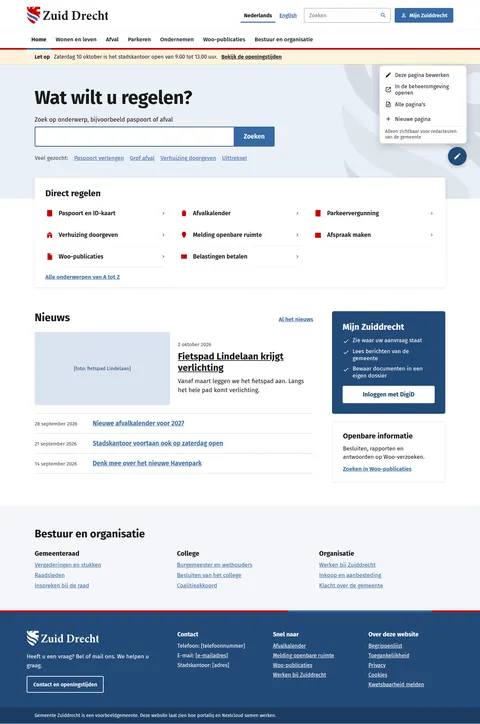
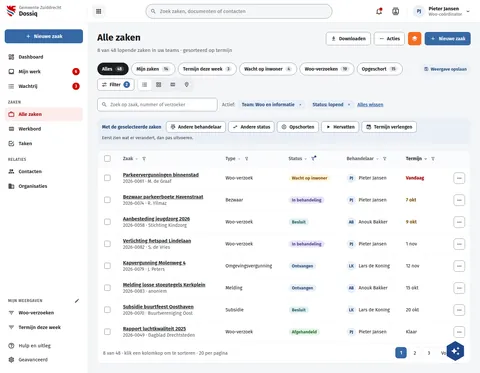
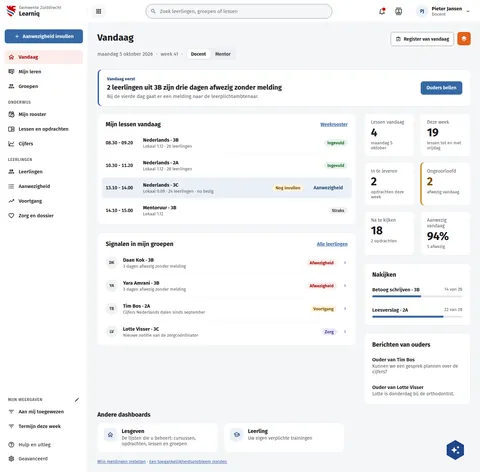
Every screen of the Conduction apps and of the demo municipality Zuiddrecht, designed to one canon. Pick a design system and every Zuiddrecht screen takes its colours, type and logo. Each screen has a stable id such as portaliq/MijnZaken, so you can point at it in a conversation or an issue.
Example design systems
Zuiddrecht and four schools in the same town, each with its own colours, typeface, logo set and motif. They show how one canon carries any house style. Their screens are referenced by the same stable id, for example wilgenboom/Home.
Capabilities
Everything the apps can do, or are meant to do, in one list. Each capability shows its build status, its specs, the screens that show it and which other systems have it. Every screen links back here, and its feedback button opens an issue in the right repository.
Films
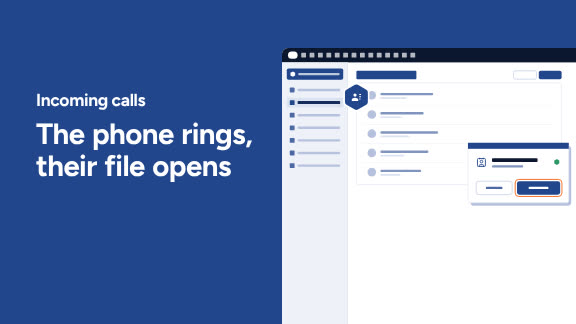
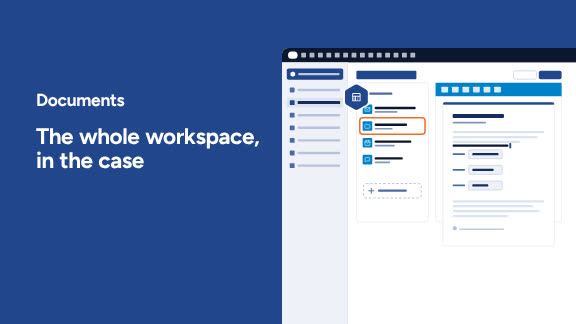
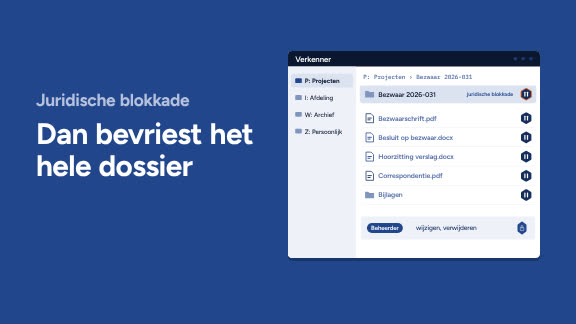
Every Conduction film with its slides per direction, so you can judge a film before it is rendered. Rendered films play here and download in Dutch or English, with or without the voice-over. The film kit, with the skill, the bible, the engine and the scripts, downloads as one zip.